Friday, 25 August 2017

WHAT TO AVOID AND WHAT TO USE TO HELP YOUR KIDNEY.

Image result for kidney food to avoidWhat to Avoid
High protein diets should be avoid, especially if they’re sourced from animal-based foods. It’s also advised to reduce your intake of foods rich in phosphorus if you have kidney disease. Animal foods contribute to inflammation while high phosphorus containing foods can cause kidney stones. If you don’t have CKD and have trouble urinating, add a few more potassium-rich foods to your meals instead of reducing potassium in your diet. Potassium is rich in fruits, vegetables, and even some whole grains, nuts, and seeds.
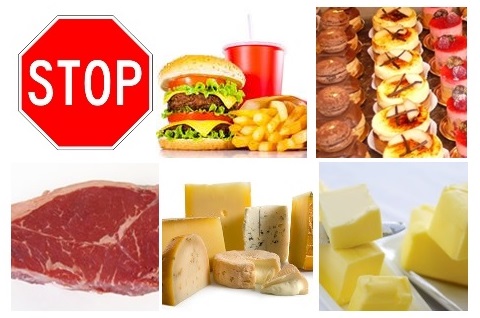
The American Kidney Fund advises that a moderate amount of protein (40-50 grams) be consumed for those with kidney disease, and one or two vegetables and fruits at each meal for overall kidney function and balance. Meat, dairy, eggs, and alcohol are some of the biggest foods to avoid.
If You Don’t Have Kidney Disease
If you don’t have kidney disease and just want to eat a healthy diet for your kidneys, be sure to eat a variety of fruits, vegetables, beans, legumes, whole grains, nuts, and seeds to get a balance of both potassium-rich and moderate-potassium containing foods. A whole foods-based plant-based lifestyle is rich in anti-inflammatory proteins that are less likely to cause inflammation or acidity within the body and will ensure good heart health and healthy blood sugar levels.
Your kidneys are one of your body’s biggest natural detox components. Be sure you don’t neglect them so they can keep you healthy and feeling great.


Kidney Cleanse:
Foods for Kidney Health
Kidney cleanses have been utilized since ancient times to keep the kidneys free of calcium deposits. These calcium accumulations can sometimes increase to the size of a kidney stone. You’ll usually know when you have a kidney stone because the pain can be excruciating. Thankfully, both kidney cleanses and consuming essential foods for kidney health are sound ways to prevent complications.
The kidney are very delicate organs which filter the blood — 24/7 — over the course of a lifetime. Therefore, it really important to conduct a regular cleanse either by way of one’s diet or through the use of a recommended treatment.

The foods that are particularly well suited for keeping the kidneys clean are as follows (all preferably organic):
  • Cranberry juice
  • Grape juice
  • Freshly squeezed orange juice and grapefruit juice
  • A Lemon or Lime wedge squeeze in a glass of purified water
  • Watermelon
  • Blueberries and Cranberries
  • Apples
  •  Grapes
  • Cooking with Ginger and Turmeric
  • Garnish salads and meals with Parsley
  • Kale
  • Pumpkin seeds
Other foods to optimize kidney health are as follows:
  •   Algae products such as spirulina, chlorella, and blue green algae
  •     Bananas
  •     Celery
  •    Cucumbers
  •     Legumes and seeds
  •     Papaya
  •    Potatoes
  •    Pumpkin
  •   Sprouts
  •   Watercress

thank you for reading
your health is my concern. 


Tuesday, 22 August 2017

Best Foods to Support Kidney Function


Best Foods to Support Kidney Function
For those with CKD, these foods and drinks below are just a handful to focus on, but are some of the best and most recommended. They’re also great choices for those that are looking to take care of their kidneys without causing too much water loss within the body.
The kidneys are very delicate organs which filter the blood — 24/7 — over the course of a lifetime. Therefore, it really helps to conduct a regular cleanse either by way of one’s diet or our natural food intake.
The foods that are particularly well suited for keeping the kidneys clean are as follows (all preferably organic):

Water
Obviously, H20 is the best ingredient for overall water balance in the body. No need to go overboard, but aim for the classic 6-8 glasses a day depending on your body weight. If you’re more active, you will likely need additional water, while some may need a glass or two less. Water helps flush out toxins that can lead to bacterial infection or kidney stones, along with harmful particles in the blood. Remember that water is the absolute  best “cleanser” of all you can be consuming, no detox needed!

Olive Oil
Like fish, olive oil provides a healthy serving of nutrient dense, unsaturated fats. Olive oil is also the basis for the ‘Mediterranean Diet.’ A recent study found individuals suffering from chronic kidney disease who adopted this diet experienced improvements in both symptoms and survival. The active components in olives improve the life of those suffering from chronic kidney disease and will certainly provide kidney support to those looking to maintain kidney health.

Onions (and Garlic!)
Both onions and garlic contain quercetin. Quercetin is a powerful flavonoid associated with antioxidant benefits and potency against redness and irritation. Research has found quercetin helps provide protection against kidney damage for smokers. For non-smokers, the bonus protection provided by quercetin combined with improved fat metabolism helps protect the body’s filters. If you already enjoy these foods regularly, know that you’re doing your kidneys a favor. Improving your diet is always the best way to improve nutrition. If this proves impractical, then you may want to add a reliable kidney health supplement to your diet.

Apples
Apples are another lower potassium fruit that also aid as a natural cleanser for the body. They’ll still keep your kidneys cleansed without causing too frequent urination. Apples are another source of protective Vitamin C, as well as the antioxidant quercetin, tied to heart health and cancer prevention. They’re also a great source of pectin, a type of soluble fiber that’s wonderful for diabetics since it slows down the blood sugar and removes excess cholesterol.

Mushrooms
Vitamin D is an important mineral for good kidney health and mushrooms are the best whole food, plant-based source. Vitamin D has been found to regulate kidney function and may help prevent kidney disease. Fortified soy milk and almond milk may be other good options, however make sure the potassium content isn’t over 200-300 milligrams if you have kidney disease.

Grapefruits
Grapefruits are another good source of Vitamin C, an important mineral for the immune system and preventing bacteria development in the body. They’re also one of the fruits that are lower in potassium and sugar, which makes them an excellent source of nutrients for your kidneys.

Oat
Though oatmeal is higher in potassium than some other grains, it’s also lower than many fruits and vegetables. Oats are particularly a good source of iron and Vitamin B6, which have both been found to be an important nutrient for preventing kidney stones and preventing nutrient depletion for those with CKD.

100 Percent Cranberry Juice
Normally, fruit juice isn’t the best option for beverage choices since it’s mainly sugar, water, and preservatives, however, 100 percent cranberry juice (preferably organic and only fruit and water-based) is a great option for clearing out the kidneys. Cranberries are a super star fruit for your arteries, kidneys, digestive tract and more. If you don’t believe in store bought options, then juice your own cranberries or blend with water and strain with a nut milk bag.

Cranberries
You can, of course, eat cranberries, to protect your kidneys too. They’re excellent sources of Vitamin C, antioxidants, fiber, and again, very low in sugar. These berries have special urinary tract benefits since they prevent ulcers and bacteria from developing and even fight current ulcers bacteria in the kidneys and digestive tract. Remember, it’s best to choose fresh cranberries, but since they’re not in season all year (sadly), you can also choose freeze-dried cranberries or dried cranberries that contain no added sugar (read the labels). Add these to your oatmeal, smoothies, whole grain porridge, or even salads for a fresh, tart taste.

Java Tea
Also known as Orthosiphon stamineus, this herb has been a standard of folk medicine for a long time. It is typically used for kidney disorders. A recent study has confirmed it to support the kidneys, as well as the liver and gastrointestinal tract. It also offers potentials for blood sugar stabilization, antioxidant protection, and blood pressure stabilization.

Red Bell Peppers
Normally, potassium is promoted as a healthy ingredient for people to consume because it flushes out the kidneys and eliminates water from the body, however, for those with kidney disease, potassium can make thirst and frequent urination worse because the bladder empties too often. Red bell peppers are one of the best lower potassium fruits to choose and are a good source of protective Vitamin C. They also contain a good amount of lycopene, an antioxidant that helps ward off certain types of cancers in individuals with a healthy diet.

Kale
Kale is a fantastic source of Vitamins A and C to prevent inflammation and protect the immune system. It’s also lower in potassium than some other vegetables and greens and contains a large amount of iron. Iron is important for healthy kidney function since many people with kidney disease have an iron deficiency.

Cinnamon
Cinnamon is known for its ability to help regulate glucose levels. This can help the body manage glucose better and offer protection from blood sugar disorders. Excess glucose that results from diabetes can cause damage to the kidneys. Another study confirmed that cinnamon could be used as a supplement without concern for increased oxalate risk.

Kidney Beans
Kidney beans are known as an effective home remedy for kidney stones. In ancient times, the pods served as a medicinal tonic.
To reduce kidney stone pain- remove the beans from the pods and in a slow cooker, boil the pods in purified water for 6 hours. Once finished, strain the liquid and let it cool before drinking. Drink throughout the day.


Thursday, 17 August 2017

The Worst Foods For Your Kidney

Foods that you’ll want to avoid to keep your kidney organs healthy:

A Brief Overview Of The Kidney

As your kidneys filter out toxins and excess acid from the blood, they also put a buffer or acid neutralizer back into the bloodstream in the form of bicarbonate. This shows how crucial it is for your system to be alkaline, and it’s also why the kidneys get overworked when, for example, you take a lot of medications (which are acidic) and/or eat an acid-forming diet.
And just as there are certain foods that help cleanse and alkalize the body and ease the load on the kidneys, there are also foods that are not only acidic, but actually damage these important organs.

6 Foods To Avoid

Remember, no food is strictly off-limits. So when I mention “avoiding” a food or foods, it’s more about raising awareness of how these foods act in your body so you can make informed choices and limit their consumption.
The following 6 foods (and food components) can actually harm your kidneys (especially when consumed in large quantities) and some of them may surprise you.

1. Animal Protein (Meat and Dairy-(Milk))

For one thing, milk contains animal protein. This protein is highly acidifying, whether it comes from a goat, sheep, or cow. This is why the consumption of milk and other dairy products increases calcium secretion in the urine – the body must take calcium from the bones to neutralize the acid in your system before your kidneys get bombarded with the excess protein.
And as you might suspect, this puts a tremendous amount of stress on your kidneys and “ages” your bones by depleting them of calcium. In fact, research from Harvard Medical School clearly shows that drinking milk does nothing to prevent fractures, and in fact may increase fracture risk.
Meat is, of course, straight animal protein, and a study shows that meat-rich diets increase the risk of uric acid kidney stones.1 This is direct evidence that animal protein harms your kidneys.
“…a balanced vegetarian diet with a moderate animal protein … and a high alkali-load with fruits and vegetables results in the lowest risk of uric acid crystallization compared to the omnivorous diets,”1 the study concludes.
The good news is that the pH-balanced nutrition is low in animal proteins and rich in fruits and vegetables, so you’re doing more than building and rejuvenating your bones and also protecting your kidneys!

2. Caffeine

I know how easy it is to become caffeine dependent. But while this stimulant may make you feel more energy temporarily, it ultimately makes you feel older and more tired.
The problem with caffeine is the very thing we like about it: it’s a stimulant, and if your kidneys are already taxed, long-term caffeine use can increase your risk of renal failure. Even brief caffeine consumption increases your risk of developing kidney stones, especially on an empty stomach. A study analyzed the immediate effects of drinking caffeine after 14 hours of fasting. The results showed greater calcium excretion in the urine and a higher risk of kidney stone formation.
So have caffeine in moderation. Here’s a trick I use for my morning coffee: I brew half regular and half naturally decaf coffee to reduce the amount of caffeine.

3. Synthetic Sweeteners (Aspartame, Saccharine, etc.)

While it’s true that sugar is bad for your bones, the “fake stuff” will rapidly decrease your kidney function. The fact is, these artificial sweeteners are synthetic chemicals that are toxic and acidifying.
The heaviest consumption of these chemicals is from drinking diet colas. In fact, it’s been scientifically proven that just two cans of diet soda cause a decline in renal function.
So use plant-derived stevia instead of the toxic artificial sweeteners.
Speaking of carbonated beverages…

4. Sodas

These bubbly beverages rob your bones of their youthful vitality in other ways besides crippling your kidneys. They literally melt your bones because of the enormous amount of caustic phosphoric acid they contain. This acid dissolves calcium, making it just about impossible to prevent bone loss.
Like the study above involving two or more cans of cola a day, another study showed that this same amount of carbonated beverages – regardless of the kind of sweetener they contained – increased the risk of chronic kidney disease.
With their high concentration of sugar or artificial sweeteners, caffeine, and phosphoric acid, such beverages are best avoided if you want to prevent your bones from losing density. Instead, drink plenty of distilled water with a few drops of lemon juice, and feel free to indulge in the occasional homemade soda alternative.

5. Salt

Table salt contains sodium chloride (NaCl), anti-caking agents, and often dextrose. It’s also bleached and processed for uniform color and crystal size.
Plus table salt, which contains 40% sodium, is devoid of other trace minerals or healthful components, thus bombarding your kidneys with excessive amounts of a single element. For example, a high sodium diet that’s low in potassium has been linked to heart attack and, startlingly enough, death from any cause.
The kidneys must try to keep up with the resulting salt levels in the blood, increasing the need for water to keep inter-cellular fluids balanced. The body then holds the water as it tries to correct for the excess salt, creating excessive blood volume. The cardiovascular and renal systems must work very hard under this pressure.
There’s more bad news for sodium lovers – (salt robs your bones of the calcium they need to be resilient and strong). Urinary output of calcium increases greatly when excess sodium is ingested, accelerating the aging process and damaging bones.
So recommends using sea salt instead of table salt. Eat a potassium-rich diet, which counteracts the damaging effects of excessive sodium.

6. GMOs (Genetically Modified Organisms)

The artificial introduction of foreign genetic material into foods is a relatively new science, but research is emerging with ominous implications about this practice.
Some very common foods like corn, canola, and soy are almost always genetically modified these days, while evidence mounts that these foods cause kidney damage. When GM corn was tested on rats, the researchers concluded as follows:
 "…our data strongly suggests that these GM maize varieties induce a state of hepatorenal toxicity. This can be due to the new pesticides (herbicide or insecticide) present specifically in each type of GM maize, although unintended metabolic effects due to the mutagenic properties of the GM transformation process cannot be excluded.”
Clearly, these foreign “invaders” overwhelm your kidneys and liver, detoxification organs that are crucial for preventing bone weakening and preserving youthful bones.


thank you for reading....
your health is my concern...

Friday, 4 August 2017

Common Habits That May Harm Your Kidneys

10 Common Habits That May Harm Your Kidneys

1. Painkiller
Over the counter pain medicines, such as nonsteroidal anti-inflammatory drugs (NSAIDs)


may alleviate your aches and pains, but they can harm the kidney, especially if you already have kidney disease. Reduce your regular use of NSAIDs and never go over the recommended dosage.

2. High Salt intake
Diets high in salt are high in sodium, which can increase blood pressure and, in turn, harm your kidneys. Flavor your food with herbs and spices instead of salt.  Over time, you may find it easier to avoid using added salt (sodium) on your food.

3. Eating Processed Foods
Processed foods are significant sources of sodium and phosphorus. Many people who have kidney disease need to limit phosphorus in their diets. Some studies have shown that high phosphorus intake from processed foods in people without kidney disease may be harmful to their kidneys and bones.  Try adopting the DASH DIET to guide your healthy eating habits.

4. Not Drinking Enough Water
Staying well hydrated helps your kidneys clear sodium and toxins from the body. Drinking plenty of water is also one of the best ways to avoid painful kidney stones.
Those with kidney problems or kidney failure may need to restrict their fluid intake, but for most people, drinking 1.5 to 2 liters (3 to 4 pints) of water per day is a HEALTHY TARGET

5. Missing Out on Sleep
A good night’s rest is extremely important to your overall well-being and, it turns out, your kidneys. Kidney function is regulated by the sleep-wake cycle which helps coordinate the kidneys’ workload over 24 hours. Research shows that people who sleep less usually have faster kidney function decline.

6. Eating Too Much Meat
Animal protein generates high amounts of acid in the blood that can be harmful to the kidneys and cause acidosis – a condition in which kidneys cannot eliminate acid fast enough.  Protein is needed for growth, upkeep and repair of all parts of the body but your diet should be well balanced with fruits and vegetables.

7. Eating Too Many Foods High in Sugar
Sugar contributes to obesity which increases your risk of developing high blood pressure and diabetes, two of the leading causes of kidney disease. In addition to desserts, sugar is often added to foods and drinks that you may not consider “sweet.” Avoid condiments, breakfast cereals, and white bread which are all sneaky sources of processed sugar. Pay attention to the ingredients when buying packaged goods to avoid added sugar in your diet.

8. Lighting Up
  SMOKING isn't good for your lungs or your heart. But did you know that smoking may not be good for your kidneys either? People who smoke are more likely to have protein in the urine – a sign of kidney damage.

9. Drinking Alcohol in Excess 
Regular heavy drinking – more than four drinks a day – has been found to double the risk CHRONIC KIDNEY DISEASE. Heavy drinkers who also smoke have an even higher risk of kidney problems. Smokers who are heavy drinkers have about five times the chance of developing chronic kidney disease than people who don’t smoke or drink alcohol to excess.

10. Sitting Still 
Sitting for long periods of time has now been linked to the development of kidney disease. Although researchers don’t know yet why or how sedentary time or physical activity directly impact kidney health, it is known that greater physical activity is associated with  improved blood pressure and glucose metabolism, both important factors in kidney health.


Strategic Marketing Management

  An Introduction : which of these marketing concept do you belong to : the production concept,  the product concept,  the selling...